
Staying too far away from others for too long can lead to many social issues. But one is more dangerous than others: social isolation.
Social isolation is more than just run-of-the-mill loneliness. Loneliness describes a person’s subjective feelings about their social lives, whereas isolation is measured by the amount of interactions and size of an individual’s social network. Oftentimes, social isolation ends up leading to feelings of loneliness.
WHO IS AT RISK
While anyone of any demographic can become socially isolated, some groups of people are at greater risks than others. Young people at risk of social isolation have the potential to expand their networks through coworkers, classmates, neighbors and community organizations.
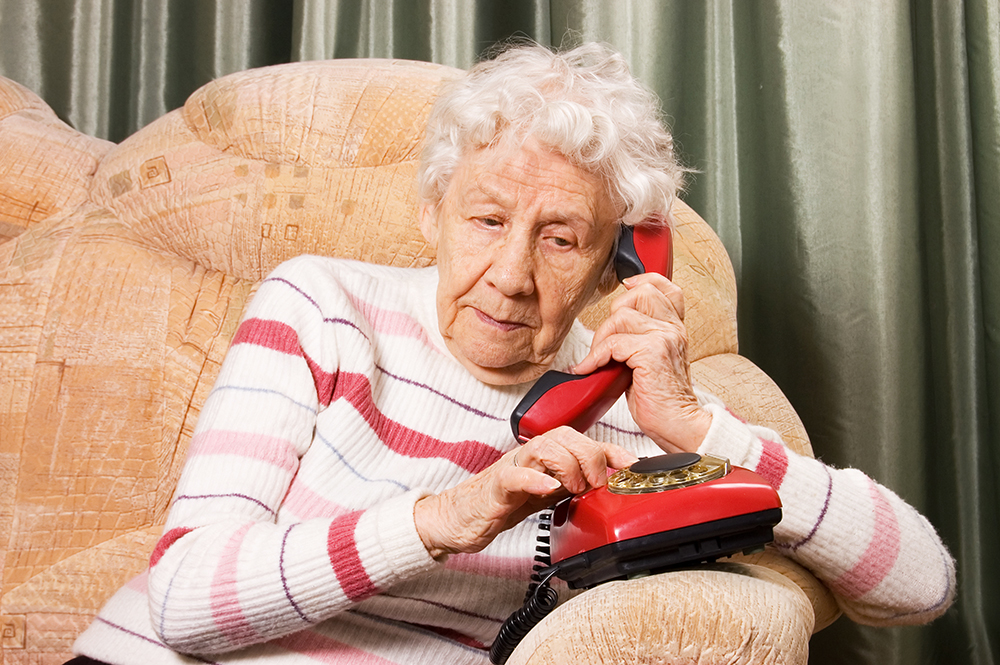
However, the elderly are even more at risk for social isolation, in part because opportunities to expand their networks can become less common. Older folks are more likely to have friends and family who have since passed on and many become shut-ins because avenues for networking are incredibly difficult.
 THE IMPACT OF SOCIAL ISOLATION
Humans are social creatures. We have a physical, mental, and emotional need to be in relationships with other people. The impacts on health from social isolation range from depression to accelerated cognitive decline.
Social isolation doesn’t just affect someone’s mental state, though. It can also take a physical toll. Heart disease, obesity, anxiety, and a weakened immune state are all associated risks for people who are socially isolated.
COMBATING SOCIAL ISOLATION
Fortunately, social isolation is far from an incurable condition. Right now, there are more resources than ever before for combating social isolation.
There are a few things you can do to combat social isolation. The most immediate solution is to stay in touch with loved ones you believe may be at risk of or are suffering from social isolation.
But with our often busy lives, there are also plenty of programs to better serve those afflicted with social isolation than any of us as individuals can. For example, programs like adult day centers can provide day-to-day care for senior citizens to aid with socialization and medical assistance.
ADULT DAY SERVICES CAN HELP
If your loved one could benefit from increased social interaction, find out if Milton Adult Day Services is right for them. We provide a therapeutic activities-based program designed to serve adults with certain conditions, including those who are socially isolated.
Learn more about if Milton Adult Day Services is right for your loved one’s needs by taking advantage of our free assessments by appointment. Contact us at 574-232-2666.